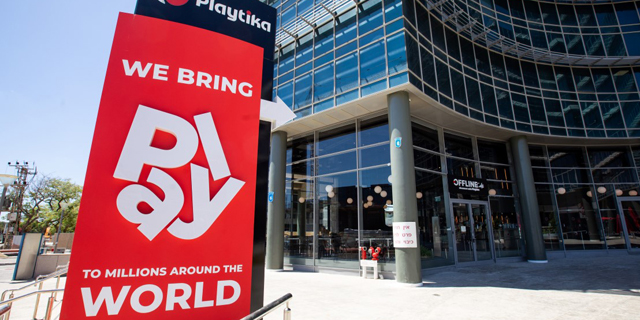
Playtika’s massive layoffs reflect a new era in mobile gaming
Technology, competition, and demographic shifts force strategic realignment.


Playtika’s massive layoffs, approximately 750 employees, or 20% of its global workforce, are neither surprising nor a one-off event. They reflect the ongoing erosion of the company’s business model and structural pressures from both internal and external sources. To understand the decision, it is useful to examine how market structure and revenue patterns affect a company like Playtika’s ability to innovate.
Playtika, like many companies relying on in-app purchases, depends heavily on a minority group of paying users, so-called “whales.” This structural characteristic is common across the industry, but in Playtika’s case it is particularly significant because some of its most profitable flagship games, such as Slotomania and its various poker brands, have appealed to a relatively older audience for years.

Industry executives note a familiar challenge: games of this type face an aging player base. Users who were 50 when they joined may now be in their 70s, and many stop playing due to changing habits, health conditions, or burnout. In a model reliant on a small number of high-value users, any decline in this segment produces an immediate and severe revenue impact. In the third quarter of this year, revenue from Slotomania, the group’s main game, totaled $68.5 million, a decrease of 20.8% compared to the previous quarter and a drop of 46.7% from the previous year.
At the same time, Playtika has struggled to generate the next wave of hits. The company has evolved from a flexible, aggressive studio model into a conglomerate structure: a large organization with multiple management layers, dozens of product lines, and several acquisitions, including Wooga, Innplay, and most recently SuperPlay. While acquisitions are intended to fuel growth, they also bring integration costs, operational complexity, and reliance on products that are not always successful.
Another disruptive factor is artificial intelligence. AI’s impact on the industry is twofold. On one hand, it allows small studios to produce games and content at a pace and quality previously reserved for large companies. This creates direct, consistent competition from lean, agile teams operating without the burden of legacy costs.
On the other hand, AI streamlines internal processes in large companies, from design production to QA testing, reducing the need for a large workforce in certain areas. Even if management presents AI implementation as a tool to empower employees without triggering layoffs, the reality is clear: technology that lowers costs and shortens creative cycles inevitably reduces the number of people required to execute them.
Related articles:
This dynamic is particularly pronounced in Israel. Playtika and similar companies have long served as training grounds for developers, analysts, and designers. Many are now leaving to start their own ventures, aided by AI tools that dramatically shorten the path from idea to product. At the same time, large companies attempt to retain talent through generous compensation packages, creating a situation in which internal innovation is not always maximized. The result: some creative talent leaves, and some remains but does not focus on generating the new games the company needs to thrive.
Playtika has already implemented several rounds of layoffs in recent years, yet none have reversed the underlying trend. The current wave is not merely a streamlining measure, it is an attempt to align the organizational structure with a new reality: intensifying competition from below, technology reshaping the rules, and a core audience that no longer provides the stability it once did.
This raises a critical question: Do layoffs on such a scale indicate a deep crisis, or do they reflect a company recognizing that the external environment has changed and taking steps to adapt? The move may be painful, but it could also be a necessary adjustment that allows Playtika to survive and even emerge stronger in an era where the rules of the game have fundamentally shifted. The answer will only become clear over time, as the company’s adaptation proves either a measure of strategic clarity or a sign of distress.
5 million, a decrease of 20.8% compared to the previous quarter and a drop of 46.7% from the previous year.At the same time, Playtika has struggled to generate the next wave of hits. The company has evolved from a flexible, aggressive studio model into a conglomerate structure: a large organization with multiple management layers, dozens of product lines, and several acquisitions, including Wooga, Innplay, and most recently SuperPlay. While acquisitions are intended to fuel growth, they also bring integration costs, operational complexity, and reliance on products that are not always successful.
Another disruptive factor is artificial intelligence. AI’s impact on the industry is twofold. On one hand, it allows small studios to produce games and content at a pace and quality previously reserved for large companies. This creates direct, consistent competition from lean, agile teams operating without the burden of legacy costs.
On the other hand, AI streamlines internal processes in large companies, from design production to QA testing, reducing the need for a large workforce in certain areas. Even if management presents AI implementation as a tool to empower employees without triggering layoffs, the reality is clear: technology that lowers costs and shortens creative cycles inevitably reduces the number of people required to execute them.
Related articles:
This dynamic is particularly pronounced in Israel. Playtika and similar companies have long served as training grounds for developers, analysts, and designers. Many are now leaving to start their own ventures, aided by AI tools that dramatically shorten the path from idea to product. At the same time, large companies attempt to retain talent through generous compensation packages, creating a situation in which internal innovation is not always maximized. The result: some creative talent leaves, and some remains but does not focus on generating the new games the company needs to thrive.
Playtika has already implemented several rounds of layoffs in recent years, yet none have reversed the underlying trend. The current wave is not merely a streamlining measure, it is an attempt to align the organizational structure with a new reality: intensifying competition from below, technology reshaping the rules, and a core audience that no longer provides the stability it once did.
This raises a critical question: Do layoffs on such a scale indicate a deep crisis, or do they reflect a company recognizing that the external environment has changed and taking steps to adapt? The move may be painful, but it could also be a necessary adjustment that allows Playtika to survive and even emerge stronger in an era where the rules of the game have fundamentally shifted. The answer will only become clear over time, as the company’s adaptation proves either a measure of strategic clarity or a sign of distress.


