From quantum chips to textile recycling: The startup Dream Team is on its way to Berlin
Fourteen startups selected from over 100 applicants will present breakthrough technologies to investors and industry leaders at Mind the Tech 2025 in Berlin.


Textile waste recycling, autonomous vessel management, fraud prediction and prevention, robotic navigation for lung diseases, satellite network optimization, smart radioligand drugs, and communications networks for emergencies - these are some of the Israeli technologies that the Dream Team, the Israeli startup delegation for Calcalist's Mind the Tech Berlin 2025 conference, will present to potential investors and partners.
Out of more than one hundred companies that applied, 14 were selected to join the official conference delegation to Berlin, which will be held on December 2-3. The group will participate in a roadshow that includes meetings with partners at venture capital funds, private investors and senior executives at global companies, alongside broad media exposure and ongoing professional support.

The selection process was conducted in collaboration with Showcase IL and included an initial screening phase held at the GNY Gornitzky law firm, followed by a Bootcamp workshop. The Bootcamp and selection process were accompanied by the Leadership Board, a team of industry executives and experts who guide the startups in preparation for investor meetings in Berlin. The board was led by Attorney Yuval Horn, Head of the Technology and Life Sciences Practice at Gornitzky GNY; Maya Eisen Zafrir, CEO of LeumiTech; Jans Lapinski, Founder and Managing Partner of Angel Invest; Hilla Ovil-Brenner, serial entrepreneur, investor, and founder and CEO of Showcase IL and Yazamiyot; Col. Yishai Kohn, Chief Integration Officer at the Ministry of Defense; Yossi Melamed, Chairman of the MAMRAM Alumni Association; and Nimrod Cohen, Managing Partner at TAU Ventures.
On the way to Berlin, the selected entrepreneurs attended an intensive training camp that prepared them to present their startups to investors and leading companies from Germany, Israel and Europe. Throughout the day, participants met key figures from the worlds of investment, innovation, banking, corporations and media, and received practical tools for the upcoming meetings in the German capital.
During the Bootcamp, the entrepreneurs participated in sessions with Noa Tamir, CEO of Calcalist; Yuval Horn, Chair of Technology and Life Sciences at Gornitzky GNY; Yael Arnon, Head of Marketing and Business Development at LeumiTech; Yuval Passov, Head of Google for Startups, who hosted the Bootcamp; and Col. Yishai Kohn, Chief Integration Officer at IMOD's DDR&D (MAFAT).
One of the central discussions explored how European investors and companies evaluate Israeli startups: what they look for in first meetings, what level of precision and professionalism they expect, and how startups should prepare for meetings in Berlin. The discussion was moderated by Maya Sela, Senior Vice President of Global Venture Capital Banking at LeumiTech, and included Hemdat Sagi, CEO of Konnect – Volkswagen Group Innovation Hub TLV; Calanit Valfer, Managing Partner at Elah Fund; and investor Rami Blachman. Later, Ester Elias, Director of the Foreign Trade Division at the Ministry of Economy and Industry, provided an in-depth overview of the German market, its characteristics, and the challenges and opportunities it presents to Israeli entrepreneurs. Yuval Horn led a focused workshop on the ten most common mistakes made by entrepreneurs, emphasizing practical methods to build a sound operational process and avoid common pitfalls.
The German-Israel Chamber of Commerce, led by Deputy CEO Charme Rykower, held a workshop on how to conduct business in Germany: how to identify strategic partners, collaborate with local investors and operate effectively within local business culture. Later in the day, the training turned to pitching: mentor Idit Neuderfer, developer of The Redhead Method, guided the entrepreneurs on how to master a three-minute English pitch using simulations based on 15 years of experience. At the end of the training camp, the entrepreneurs also participated in lectures on effective media engagement and practical sessions on improving presentations and sharpening the visual clarity of their pitches.

Attorney Yuval Horn shared with Bootcamp participants ten mistakes to avoid when founding and managing a technology-based company. The first key insight is that most critical mistakes occur in the early stages, when founders focus on product development and fundraising but neglect basic legal and business foundations. Recurring themes include the lack of structured agreements (founders’ agreements, employment agreements), insufficient intellectual property protection, improper use of technological tools such as open source and artificial intelligence, and poor strategic selection of partners, investors and board structure. Each of these mistakes can lead to internal conflicts, loss of critical assets, or significant legal exposure that could jeopardize the company’s future.
The second key insight is that long-term success requires operational and financial discipline from day one, including continuous communication with investors and validating product-market fit before allocating substantial resources to development. Discipline and long-term thinking are critical not only for market success but also for successful fundraising.
“Every year, the Dream Team selection day reminds us of what makes the Israeli ecosystem so unique. It’s an opportunity to meet entrepreneurs up close and understand the motivation, technological depth and courage that drive them forward,” said Maya Eisen Zafrir. “This year, in preparation for the conference in Berlin, we placed special emphasis on DeepTech - fields such as health, medical devices, energy and defense. These are areas we don’t necessarily encounter daily, but they make a real contribution to our lives, and we are proud to bring them to the forefront of the international stage. Exposure to Germany and Europe, and the ability to demonstrate the depth of Israeli innovation to industry leaders, investors and global corporations, is central to our mission: enabling Israeli startups to grow and build the next wave of technologies that have real global impact,” said Eisen Zafrir.
According to Hilla Ovil-Brenner, “This outstanding delegation to Berlin represents the cutting edge of Israeli innovation across deep-tech, healthcare, defense and energy. Selected through a rigorous and comprehensive process from among hundreds of companies, these startups are exceptional, innovative and have clear potential to raise capital and build significant business operations in the German market.”
Ovil-Brenner explained that the selected startups were divided into two categories: early-stage companies and more mature companies. Early-stage startups, which are in their initial phases, primarily target angel investors and early-stage funds. These companies were separated from the mature group to give them a dedicated platform suited for investors seeking smaller commitments and collaborations within technological hubs and similar initiatives.
In contrast, mature companies, some of which have already raised tens of millions of dollars, are aiming for significantly larger fundraising rounds and targeting large funds capable of investing hundreds of millions. Given the maturity of their products, these companies are also focusing on strategic collaborations with global corporations and investors.
And these are the startups that were selected:
QuamCore
Capital raised: $33 million
Stage: A
Sector: Quantum Computing
Business model: B2B
CEO: Alon Cohen
Founded: 2022
Employees: 15
QuamCore is an Israeli deep-tech startup founded in 2022, focused on pushing the scalability limits of quantum computing by developing a superconducting quantum-processor architecture designed to support up to one million qubits in a single cryostat.
Their key innovations include integrating ultra-low-power superconducting digital control logic directly into the cryogenic environment, drastically reducing cabling and thermal bottlenecks that currently limit quantum systems. The company aims to create fault-tolerant, economically viable quantum systems for real-world applications across AI, materials science, pharmaceuticals and energy.
Imagry
Capital raised: $60 million
Stage: B
Sector: Automotive
Business model: B2B
CEO: Eran Ofir
Founded: 2018
Employees: 130
Imagry is pioneering Generative Autonomy: real-time intelligence that drives machines in the physical world. Their platform, Imagry CortexTM, delivers vision-based autonomy without HD maps, LiDAR, or the cloud.
Unlike rule-based systems, Cortex learns from experience and adapts to any road, vehicle, or condition, just like a human, only better. Already deployed across transit and fleet vehicles, Imagry is solving the scalability challenge for both public transportation and passenger cars. Their real-time, hardware-agnostic architecture integrates seamlessly with existing platforms, giving automakers and transit operators a cost-effective, production-ready autonomy solution. Imagry is leading the next generation of artificial intelligence, not just as a personal assistant, but as an autonomous driver.
RespirAI
Capital raised: $4.3 million
Stage: Seed
Sector: Health
Business model: B2B2C
CEO: Nimrod Bin Nun
Founded: 2018
Employees: 10
RespirAI is a digital health company developing an AI-powered home-monitoring platform to support patients with chronic respiratory diseases. Using continuous, passive data collection from FDA-approved wearable sensors, RespirAI’s platform analyzes multi-parameter physiological signals to detect changes in patients' conditions and generate actionable clinical insights. The initial focus is on chronic obstructive pulmonary disease (COPD), with the goal of improving patient outcomes, reducing hospitalizations and re-admission, and enabling proactive, personalized disease management in both clinical and home settings.
Re-fresh Global
Capital raised: €1.5 million
Stage: Seed
Sector: Cleantech
Business model: B2B
Co-founder & CEO: Viktoria Kanar
Founded: 2021
Employees: 7
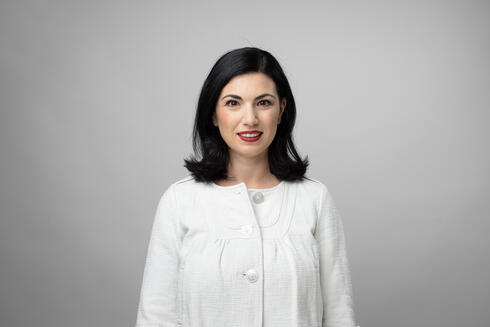
Re-fresh Global, an Israeli-German materials company, developed the SMART-UP SYSTEM - a patented biochemical process that turns textile waste into high-quality materials.
Addressing the global crisis of 92 million tons of discarded textiles each year, the company upcycles waste into nanocellulose, bioethanol, and multifunctional fibers. These products replace virgin materials in industries such as automotive, furniture, and cosmetics, reducing both waste and emissions.
Through its SMART-UP URBAN SYSTEM, Re-fresh Global enables even small and medium businesses to adopt sustainable, cost-effective production and contribute to a circular, eco-friendly textile economy.
Skana Robotics
Capital raised: $4.5 million
Stage: Pre seed
Sector: Defense & HLS
Business model: B2B, B2G
CEO & Co-founder: Idan Levy
Founded: 2023
Employees: 30
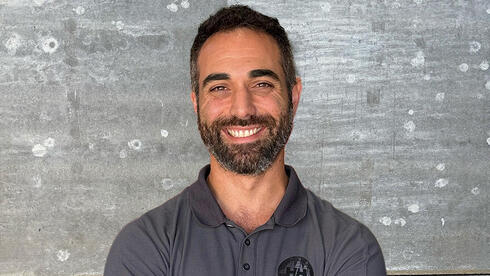
Skana Robotics designs and manufactures autonomous vessels and develops the software stack that connects them into a unified, scalable ecosystem. Covering both surface and sub-surface domains, their mission-ready, software-defined systems orchestrate hybrid autonomous fleets across complex operations.
By merging deep operational expertise with end-to-end technological control, they empower modern naval forces to respond with speed, scale, and precision, reshaping maritime resilience.
LumenGuides
Capital raised: $2.5 million
Stage: Seed
Sector: Medical devices
Business model: B2B
Founder & CEO: Limor Prigan
Founded: 2025
Employees: 5

LumenGuides is developing Naviscope - a robotic, autonomous, single-use, radiation-free navigation platform for bronchoscopy procedures. Currently, existing navigation systems fail to reach approximately 40% of lung lesions, requiring the use of external means such as CT, fluoroscopy or electromagnetic navigation - processes that are expensive, lengthy and harmful in terms of radiation exposure.
Naviscope is revolutionizing the field through fiber optic sensors that produce 3D mapping of the airways from within the lung itself. Also, through robotic guidance based on artificial intelligence that operates independently, without the need for external imaging. Also, a single-use solution, safe, economical and faster than traditional methods.
The system offers an innovative, accessible and effective alternative that advances the field of pulmonary diagnosis and reduces dependence on expensive and complex technologies.
Datricks
Capital raised: $19 million
Stage: A
Sector: FinTech, RegTech
Business model: B2B SaaS
CEO: Haim Halpern
Founded: 2019
Employees: 25
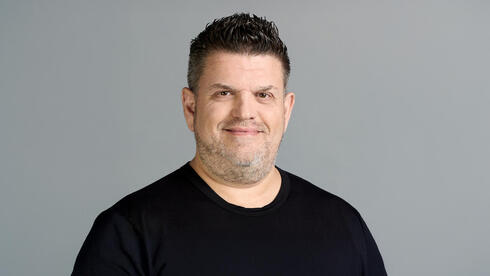
Datricks offers an autonomous solution that aims to eliminate financial exposures, such as human error, non-compliance, and fraud. In doing so, the solution transforms businesses into beacons of unspoiled financial integrity. Its platform, designed to build credibility and financial transparency, enables CFOs to improve bottom line, optimize working capital, and confidently expand their financial operations. By doing so, the platform significantly increases the contribution of CFOs to organizational growth.
Starget Pharma
Capital raised: $25 million
Stage: A
Sector: Biopharma
Business model: Strategic licensing and drug commercialization
CEO: Sigal Cusnir
Founded: 2019
Employees: 18
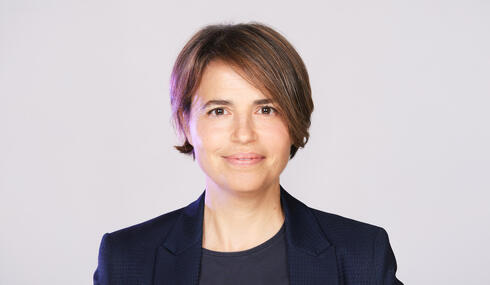
Starget Pharma develops smart, targeted radioligand drugs for the treatment of metastatic tumors. The company uses an artificial intelligence-based platform that enables the rapid design of peptide-based radioligand molecules that recognize cancer cells and deliver targeted radiation to them - while protecting healthy tissues.
The radioligand field is experiencing rapid growth, with regulatory approvals and multi-billion dollar mergers and acquisitions. The company is backed by founders with rich backgrounds, including the founders of UroGen Pharma (NASDAQ-listed), and is leading three therapeutic candidates that are expected to enter clinical trials in 2026, in the areas of breast cancer, sarcoma and prostate. The company has received international recognition and has been selected by StartUs Insights as a leading new pharmaceutical company to watch.
Curesponse
Capital raised: $15 million
Stage: B
Sector: Life Sciences – Precision Oncology
Business model: B2B
Co-founder & CEO: Guy Neev
Founded: 2018
Employees: 15
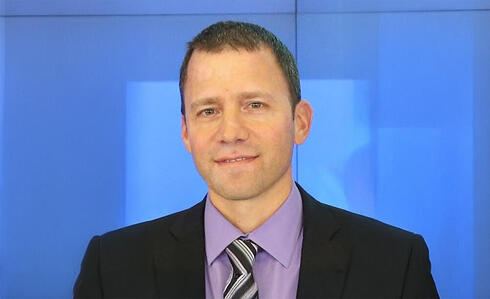
Curesponse is a precision oncology company, leading a fundamental change in cancer treatment and oncology drug development. The company has developed an innovative in vitro testing platform, which is able to predict a patient's response to oncology treatments with an accuracy of over 90%. The technology allows doctors to choose the most effective treatment from the first stage, thereby improving the chances of success and reducing side effects.
The test is suitable for all types of solid tumors and all major drug classes, and is already in clinical use and covered by private insurance companies. For pharmaceutical and biotechnology companies, Curesponse's platform accelerates the research and development process, reduces clinical trial costs and reduces the failure rate. The company holds CE approval and is expanding its operations in Europe and the United States.
Related articles:
Early stage companies
Always Connect AI
Capital raised: $660,000
Stage: Seed
Sector: Smart optimization for satellite communications
Business model: B2B
Co-founder & CEO: Michal Hubschmann
Founded: 2022
Employees: 6

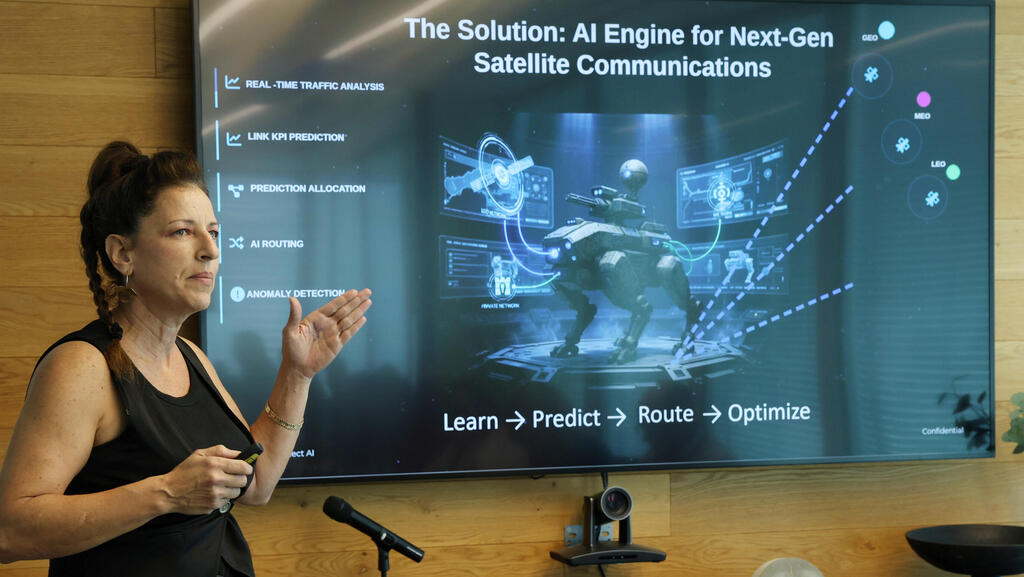
Always Connect develops an advanced AI engine that maximizes satellite network performance through real-time autonomous and multi-path optimization. The company’s technology is installed as a lightweight plug-in on any device or platform, enabling intelligent management of communication links in geostationary, medium and low orbits – without the need for hardware modifications.
The system learns traffic patterns, identifies anomalies, and dynamically routes data to ensure stable, efficient and mission-critical connections. The solution is suitable for sectors such as security, robotics, transportation and commercial satellite systems, and enables advanced communication management even in challenging conditions.
Maverick AI
Capital raised: $125,000
Stage: Early Stage
Sector: Energy and Security
Business model: B2B
Co-founder & CEO: Yochai Pagi
Founded: 2025
Employees: 2
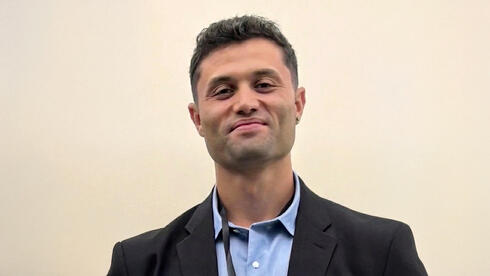
Critical infrastructure relies on legacy, air-gapped systems where human error is a major driver of costly downtime.
Maverick AI transforms this infrastructure into an intelligent, autonomous partner. Our on prem O&M agent predicts, alerts, and explains, guiding your team to the correct action every time. We deliver the expertise of your best operator, 24/7, ensuring your workforce is always at its best.
LepreCon
Capital raised: $500,000
Stage: Pre Seed
Sector: Fintech Security
Business model: B2B
Co-founder & CEO: Shlomo Gilead
Founded: 2025
Employees: 4
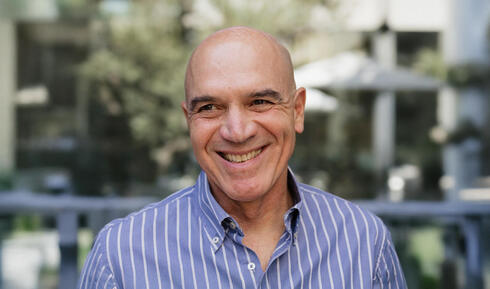
LepreCon’s proprietary technology protects banks and their customers from AI-based social engineering scams, which pose a trillion-dollar global risk.
LepreCon’s solution predicts fraud before it happens and blocks it at the earliest stage. The solution consists of a proprietary psychographic diagnosis based solely on bank data, coupled with a comprehensive and proprietary model of bank data.
The company was founded by industry experts including Shlomo Gilead, a former chief strategist for a bank and credit card company, who is the current co-founder and CEO, and Amir Raskin, a banking data and analytics expert and co-founder of HyperRoll (acquired by Oracle).
Alviv Laser Solutions
Capital raised: $800,000
Stage: Seed
Sector: Medical Technology
Business model: B2B
Co-founder & CEO: Shira Doron
Founded: 2023
Employees: 3

Alviv is a medical technology company focused on developing innovative laser-based solutions for clinics and outpatient settings. The company's first solution is a breakthrough, fast, safe and painless treatment for patients suffering from fecal incontinence, a problem that affects approximately 9% of the global population. The company's innovative treatment changes the way the problem is treated by focusing on solving the clinical problem itself and not just the symptoms. Alviv's unique technology is based on painless laser treatment, which allows for the restoration of sphincter function through controlled tissue regeneration. The solution offers a new, safe and effective treatment method, with proven results in initial clinical trials and a treatment model that can be scaled up in outpatient clinics. The company aims to improve the quality of life of millions of patients worldwide.
dot SAGA
Capital raised: $270,000
Stage: Seed
Sector: Safety and communication
Business model: B2B
CEO: Noam Goldman
Founded: 2024
Employees: 6
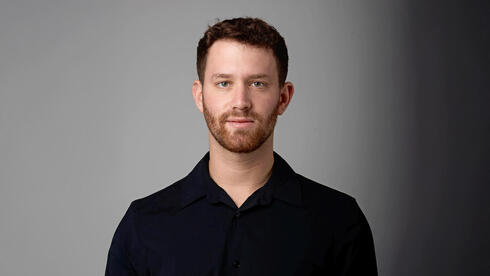
dot SAGA is developing a next-generation communication and safety network for venues and events. The solution includes wearable devices, a private network based on transmission, and a smart command platform powered by artificial intelligence. The system enables real-time communication, location tracking, and event management, even in situations where cellular networks are not available.
The company’s technology is designed for large-scale events, ski resorts, critical facilities, and stadiums. It allows operators to respond quickly, prevent failures, and manage operations intelligently. Key features include speech-to-text, predictive analytics, and distress alerts. The solution replaces outdated communication systems and offers a modern, intelligent, and data-driven alternative to improve safety and user experience.


